

Preferences and Transactions at Undervalue in Company Liquidation
When a company enters liquidation in the United Kingdom, the liquidator has a legal duty to investigate the company’s financial affairs and review transactions that took place before insolvency. One important part of this process involves examining whether directors or the company transferred money or assets in a way that...
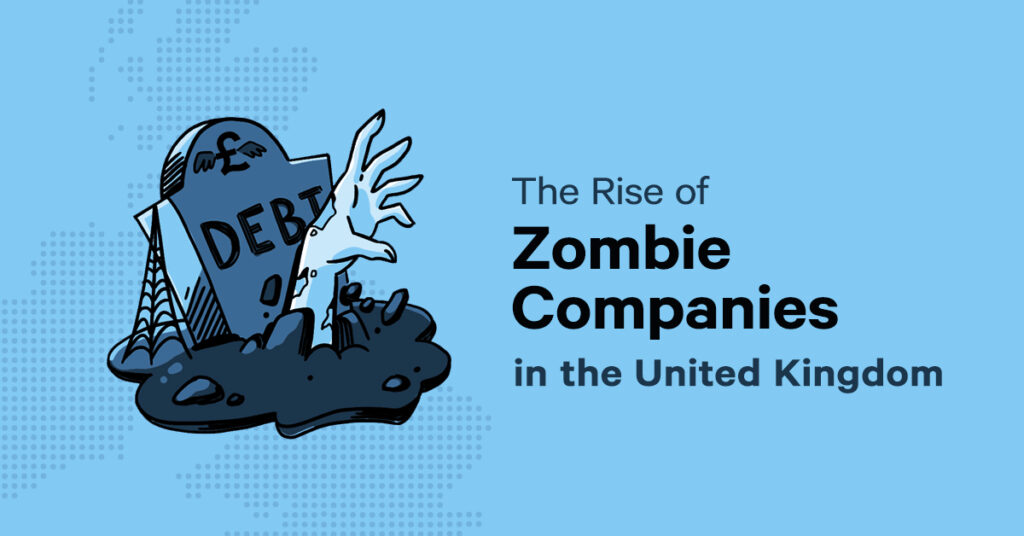
The Rise of Zombie Companies in the United Kingdom
In recent years, the term “zombie company” has become increasingly common in discussions around the UK economy and corporate insolvency. While many businesses survived the financial pressures caused by the pandemic, inflation, supply chain disruption, and rising borrowing costs, a growing number are now operating in a financially fragile state....
The Difference Between Cashflow Insolvency and Balance Sheet Insolvency
In the United Kingdom, insolvency is not always as straightforward as a company simply running out of money. Under the Insolvency Act 1986, a business may be considered insolvent in different ways depending on its financial position and ability to meet obligations. Two of the most important legal concepts in...
Why UK Company Insolvencies Are Still Near 30-Year Highs in 2026
Despite inflation easing compared to the sharp increases seen in 2022 and 2023, company insolvencies across the United Kingdom remain stubbornly high in 2026. Many businesses expected financial conditions to improve once inflation started slowing, yet insolvency figures continue to reflect severe pressure across multiple sectors of the economy. According...
Can Directors Be Investigated After Forced Liquidation?
When a company enters forced liquidation (also known as compulsory liquidation), it is usually the result of serious financial distress and creditor pressure, often led by HMRC. For directors, one of the biggest concerns at this stage is whether their actions will be investigated and what the consequences could be....
Why Directors Are Choosing Controlled, Voluntary Closure Instead of Forced Liquidation
In today’s challenging economic climate, more UK company directors are facing difficult decisions about the future of their businesses. With rising costs, increasing pressure from HMRC, and tightening cash flow, insolvency is becoming a reality for many. However, one clear trend has emerged: directors are increasingly choosing controlled, voluntary closure...

Can I Buy Back Assets During or After a Liquidation?
When a company enters liquidation, directors often worry that everything the business owns will be lost forever. This can be particularly difficult where assets still

What Is the Process of Liquidating a Partnership Business?
When a partnership business comes to an end, the process can be more complex and personal than closing a limited company. Partnerships are built on

What Tax Do You Pay When You Close a Limited Company?
Closing a limited company in the UK can be a complex process, and one of the biggest areas directors worry about is tax. Whether the

What Is a Director Conduct Report During Liquidation?
When a company enters liquidation in the UK, one of the most important parts of the process happens behind the scenes: the preparation and submission

What Are the Three Different Types of Liquidation?
Liquidation is the formal process of closing a limited company and bringing its affairs to an end. It involves selling company assets, settling debts where
What Counts as a Prohibited Company Name Under Section 216
When a company goes into liquidation, many directors explore the possibility of starting a new business or continuing the same trade under a fresh structure.